
Pickleball: The Ultimate Friendly Game Everyone Loves
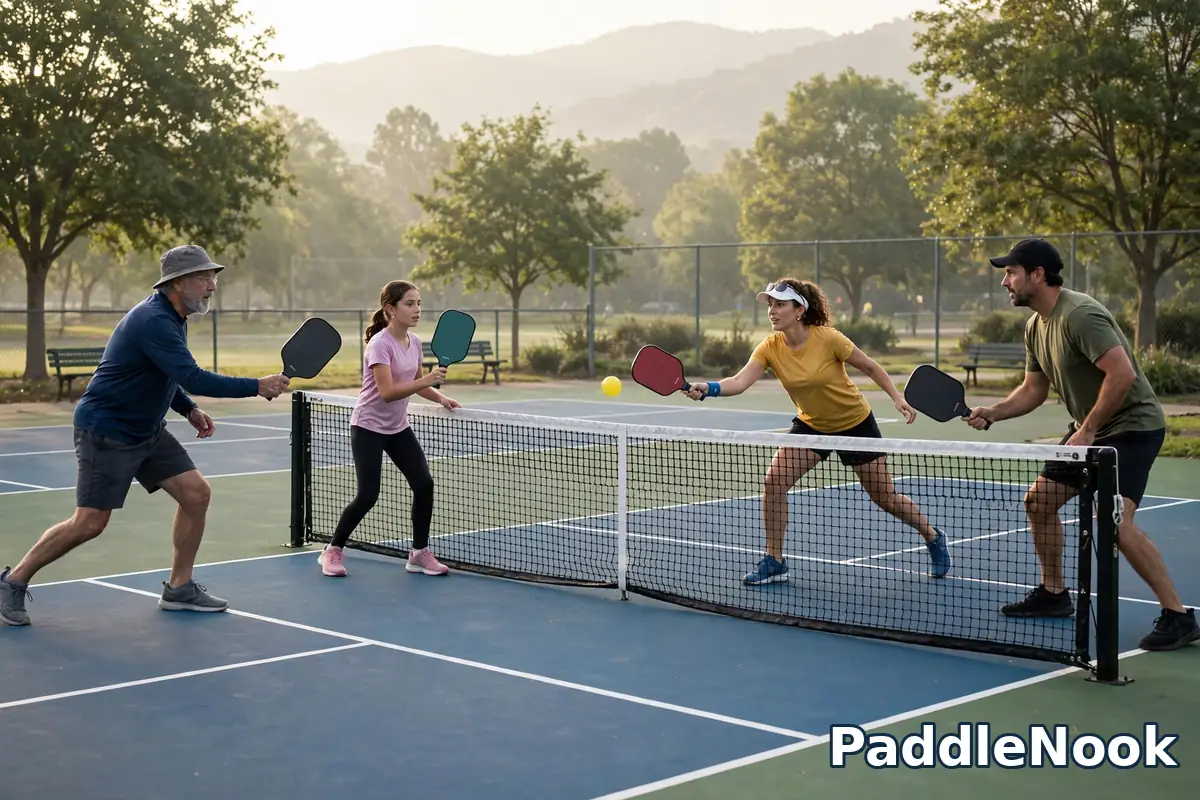
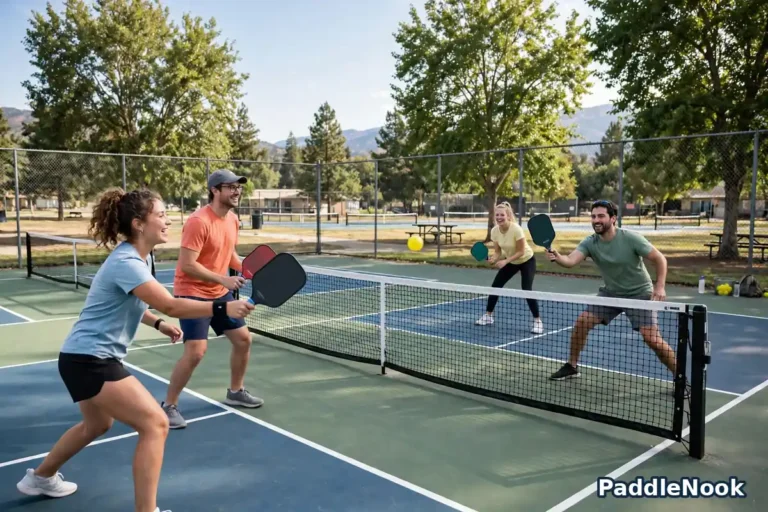
Walk past a park on a Saturday morning and you may hear a sharp pop, then laughter. Two or four people are on a small court, moving a little, chatting a lot, and sending a light plastic ball back and forth over a low net. That sound and easy mood are why many people stop to watch, then ask how to join in.
Pickleball looks fast in short bursts, yet the court is small enough that you do not need to sprint from corner to corner. Most new players can rally within their first visit, which is rare for a racket sport and a big part of the appeal.
This guide gives you a map of the whole sport in plain words. You will learn what happens in a game, why it grew, who it suits, and what to try first.
What Happens in a Game of Pickleball, Step by Step
Pickleball is a small-court paddle game for two or four players. You serve underhand, both sides let the ball bounce once, then rally over a low net. Only the serving side scores, games usually go to 11 points, and you must win by two. Soft shots near the net matter as much as power.
A game starts with an underhand serve. The server stands behind the line, drops or tosses the ball low, and hits it diagonally into the far service box. The other side must let it bounce once before returning it. Then the serving side must also let that return bounce once.
This is called the two-bounce rule, and it stops one big serve from deciding the point. After those two bounces, players can hit the ball in the air or after a bounce.
Play then becomes a rally. Players trade shots, move toward the net, and look for a soft opening or a gap. Near the net is a marked area called the kitchen. You may step in there, but you may not hit the ball in the air while standing in it.
That one rule keeps play fair and stops tall players from simply smashing every shot at the net. Soft shots near the net, called dinks, are slow and low, and they often decide long rallies.
Only the serving side can score, as explained above. For full scoring detail, see our guide to the full scoring rules. If you want the plain definition first, start with a plain-English definition of the game.
Why Did the Game Grow So Fast?
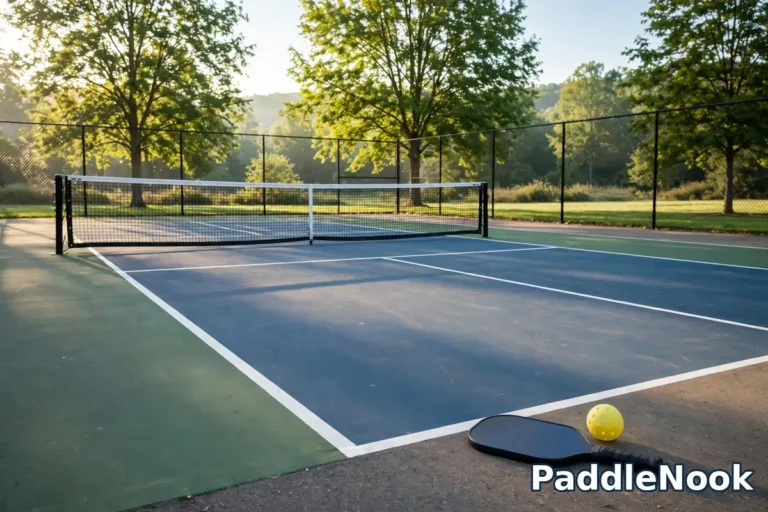
Three simple reasons explain the growth. First, the court is small. A standard court is 20 feet wide and 44 feet long, about the size of a badminton court. That means less running, shorter gaps between players, and more chances to talk during play.
Second, the ball moves slower than a tennis ball. It is light, full of holes, and it does not bounce high. New players get more time to read a shot and set their feet. Third, the cost to start is low.
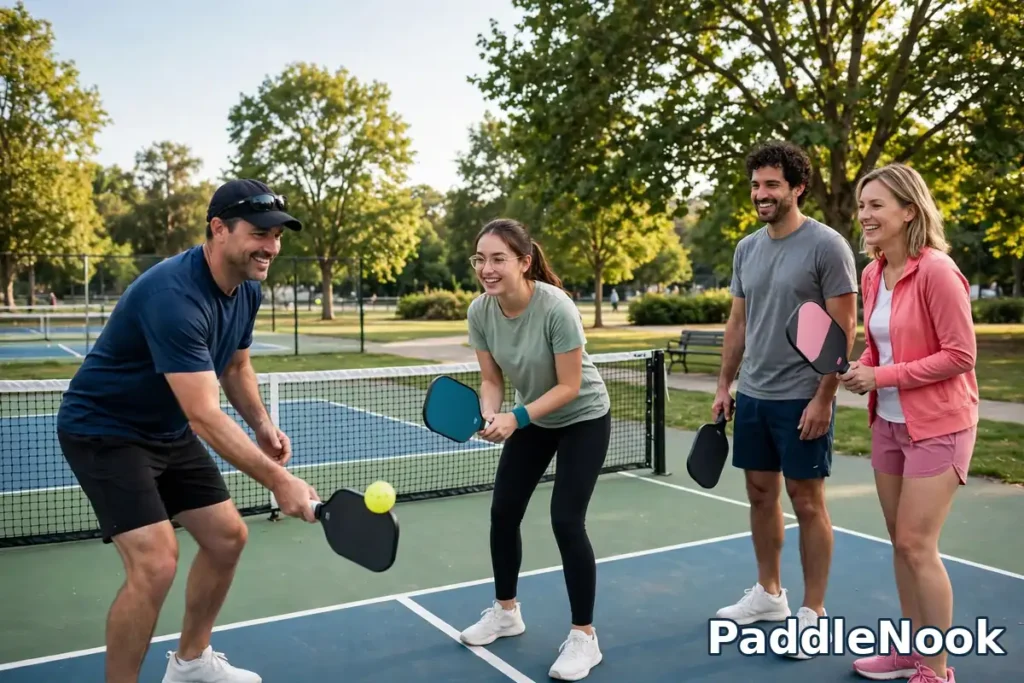
Social play matters just as much as the sport itself. Doubles is most common, so you share the court with a partner and meet two opponents. Games are short, so groups rotate and mix.
People of mixed ages and skill levels can share a court, because placement and patience matter more than raw power. USA Pickleball, the sport’s national governing body in the United States, gives a clear overview of the basics on its What Is Pickleball page.
Who Is This Sport For? A Quick Checklist
Use this short checklist to see if the game fits you. Tick the lines that sound true.
- You want light exercise that still feels like a real game.
- You like team play but do not want a large squad or a long match.
- You are returning to sport after a break and want a gentle start.
- You enjoy meeting people and learning in a relaxed group.
- You want a game children, parents, and grandparents can share.
- You like short games with clear goals and quick rematches.
If you ticked even two lines, the game is worth one trial session. Good footwork, soft hands, and calm shot choice grow with practice. Players who use wheelchairs or have limited mobility also play adapted forms in many places, so ask a local group what sessions they offer. Our guide to a zone-by-zone tour of the court explains each line in plain words.
Your First Steps: What to Try First
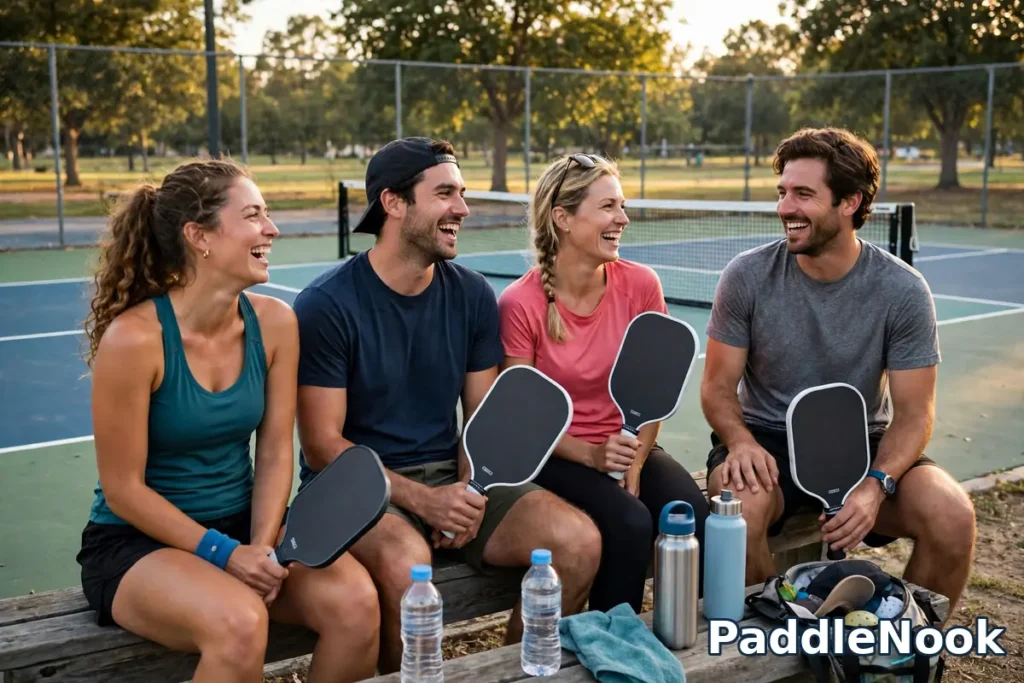
Keep your first visit simple. Wear court shoes with good grip, not running shoes with a thick, high sole. Bring water, sun protection if you play outside, and a light paddle if you own one. If you do not own one, borrow first.
| First step | What to do | Why it helps |
|---|---|---|
| Watch one game | Stand to the side for 10 minutes | You learn the flow, the serve, and the kitchen line |
| Join a beginner session | Tell the organiser you are new | You get matched with patient players |
| Practise the serve | Aim low and diagonal, not hard | A steady serve starts more rallies |
| Ask for tips | Ask one question after each game | Small tips stick better than a long lesson |
A fuller beginner walkthrough is available in the Pickleball.com beginner guide. After your first session, note what felt hard: the serve, the soft game, or moving to the net.
People Also Ask
Is the game hard to learn?
No, for most people. The serve is underhand, the court is small, and the ball is slow. Most beginners rally in their first session.
Do I need to be fit to start?
You need basic mobility for short bursts, but not high fitness. Doubles keeps running modest, and you can rest between games.
How long does a game take?
A single game often takes about 15 minutes, though close games run longer.
Can children play with adults?
Yes. The light ball, low net, and small court help mixed-age games work well.
What should I wear for my first session?
Wear court shoes and light clothes, with sun protection outdoors. Bring water.
Conclusion
The game grew because it is easy to start, social by design, and kind to new players. A small court, a slow ball, and a simple serve give you a real rally on day one. Borrow a paddle, join a beginner group, and focus on one skill at a time.

3 Comments