
Pickleball Rules Serve: The Ultimate Volley vs Drop Guide
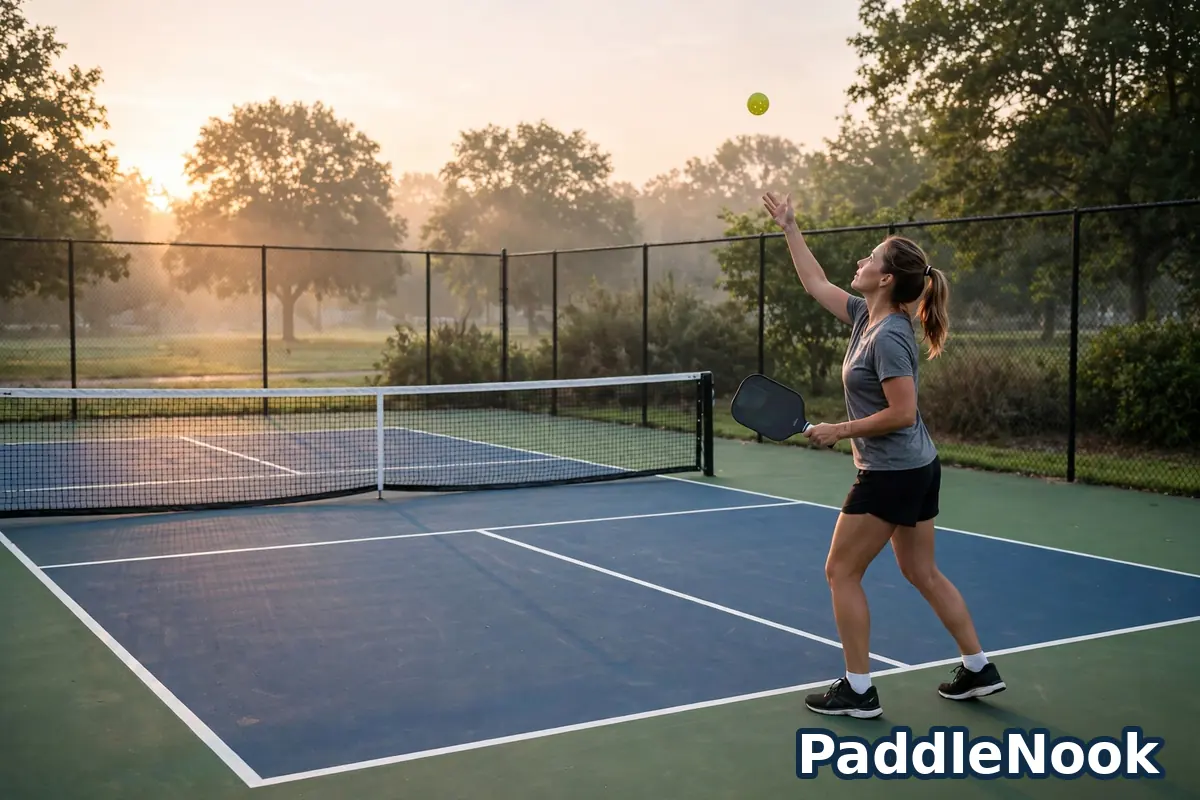
Pickleball rules serve choices look small, but they shape every rally you play. You have two legal serves: the volley serve, hit out of the air, and the drop serve, hit after a bounce. Both must go diagonally past the kitchen, but their motion rules are very different. Both serves start every rally, so a legal serve is the first skill every new player should learn well. It also keeps the game fair for both teams.
This guide compares the two serves side by side, then gives a short routine for each one. By the end, you will know which serve fits your game today, and how to keep either one legal. Try each serve in practice, compare how often each one lands in, and keep the one that feels steadier for now. For the full serve checklist, see the legal serve guide.
What Is the Pickleball Rules Serve Choice?
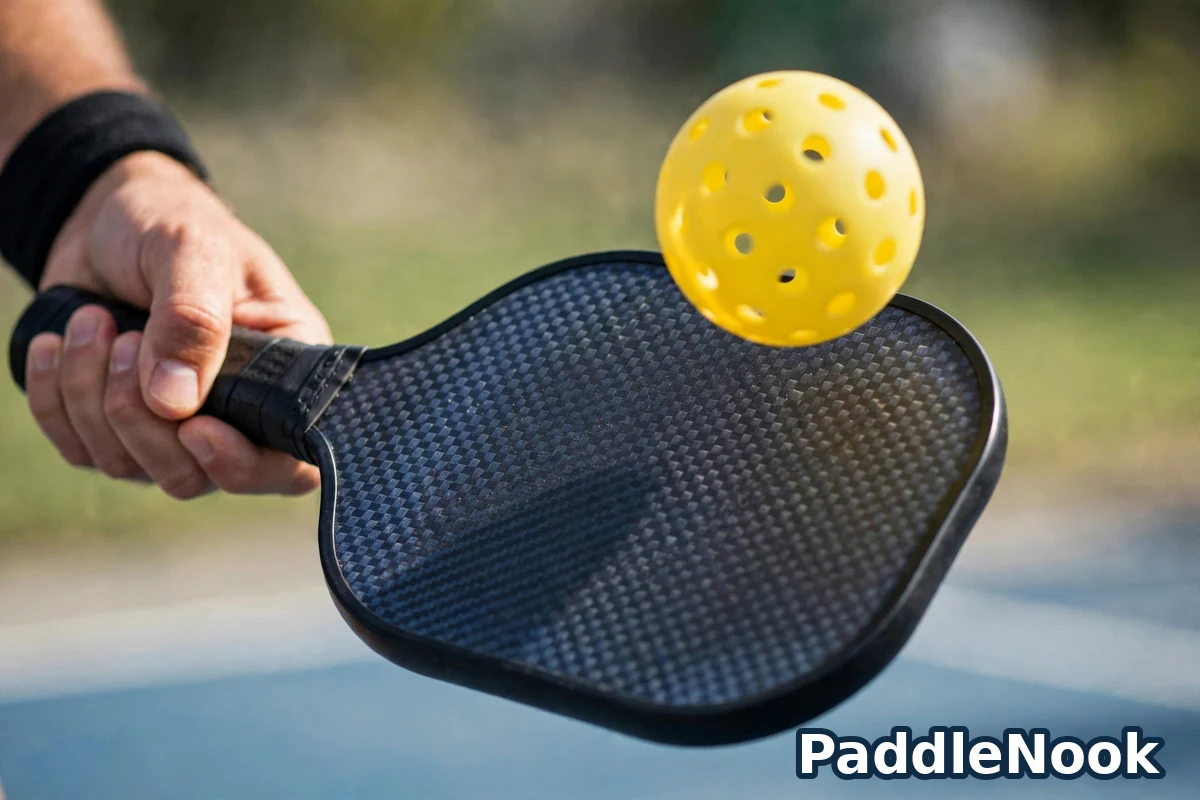
The pickleball rules serve choice is between a volley serve and a drop serve. A volley serve is struck before the ball bounces, with an upward arc, contact below the waist, and the paddle head below the wrist. A drop serve is struck after the ball bounces, with the same feet and target rules.
Both serves are fully legal, and you may switch between them during a game. The choice is about control, not status.
Volley Serve vs Drop Serve at a Glance
| Rule check | Volley serve | Drop serve |
|---|---|---|
| Ball bounces first | No, hit out of the air | Yes, at least one bounce |
| Upward arm arc | Required | Not required |
| Contact below waist | Required | Not required |
| Paddle below wrist | Required | Not required |
| Feet behind baseline | Required | Required |
| Diagonal past kitchen | Required | Required |
| Release spin ban | Yes, no finger spin | No throw, toss, or force |
Read the table from top to bottom, and the difference is clear. The drop serve removes the three motion checks, while keeping every position and target rule. That is why many beginners find it calmer to learn.
The release still has rules for both serves. Release the ball with one hand only, or from the paddle face for a drop serve. Do not throw the ball down, toss it up, or add force. For a volley serve, do not add spin with your fingers before contact.
How to Hit a Legal Volley Serve, Step by Step
Stand behind the baseline, inside your serving area, and hold the ball in your non-paddle hand. Call the full score first, then take a breath and look at the diagonal box you want.
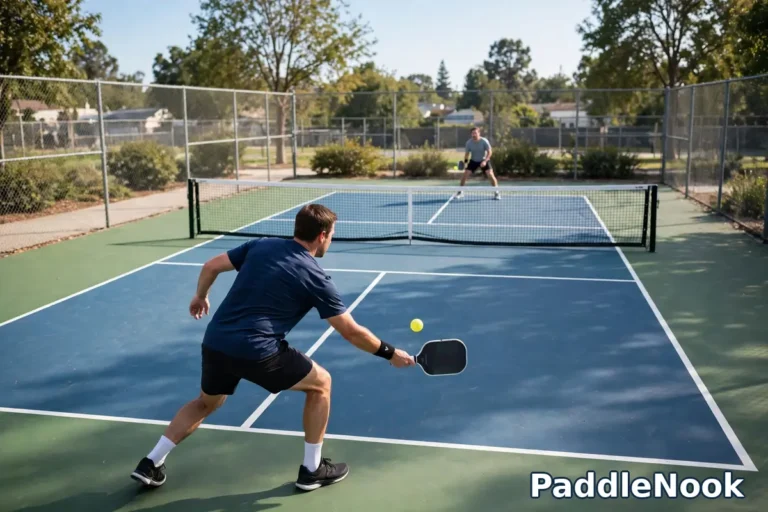
Release the ball gently and let your arm swing low to high, like a bowling motion. Strike the ball below your waist, with your paddle head below your wrist, and follow through upward toward your target. Keep your feet still until contact, then you may step forward.
Aim deep, not hard. A deep serve to the middle of the diagonal box is hard to attack, and it gives you time to get ready for the return.
The paddle in your hand also affects feel, and how each paddle part works, from face to grip explains it. If your serve keeps landing short, aim a little higher and swing through the ball, rather than poking at it.
How to Hit a Legal Drop Serve, Step by Step
For a drop serve, stand in the same place and call the score first. Hold the ball in one hand, or on your paddle face, and simply let gravity drop it. Do not push it down or toss it up.
Let the ball bounce once, then strike it with any natural swing. There is no waist or wrist check, so you can use a fuller swing if it feels smooth. One bounce is simplest.
The same target rules still apply. The ball must go diagonally into the opposite service court, past the kitchen line, from behind the baseline. A drop serve that lands in the kitchen is still a fault, even though its motion was free.
Where Must Every Serve Land?
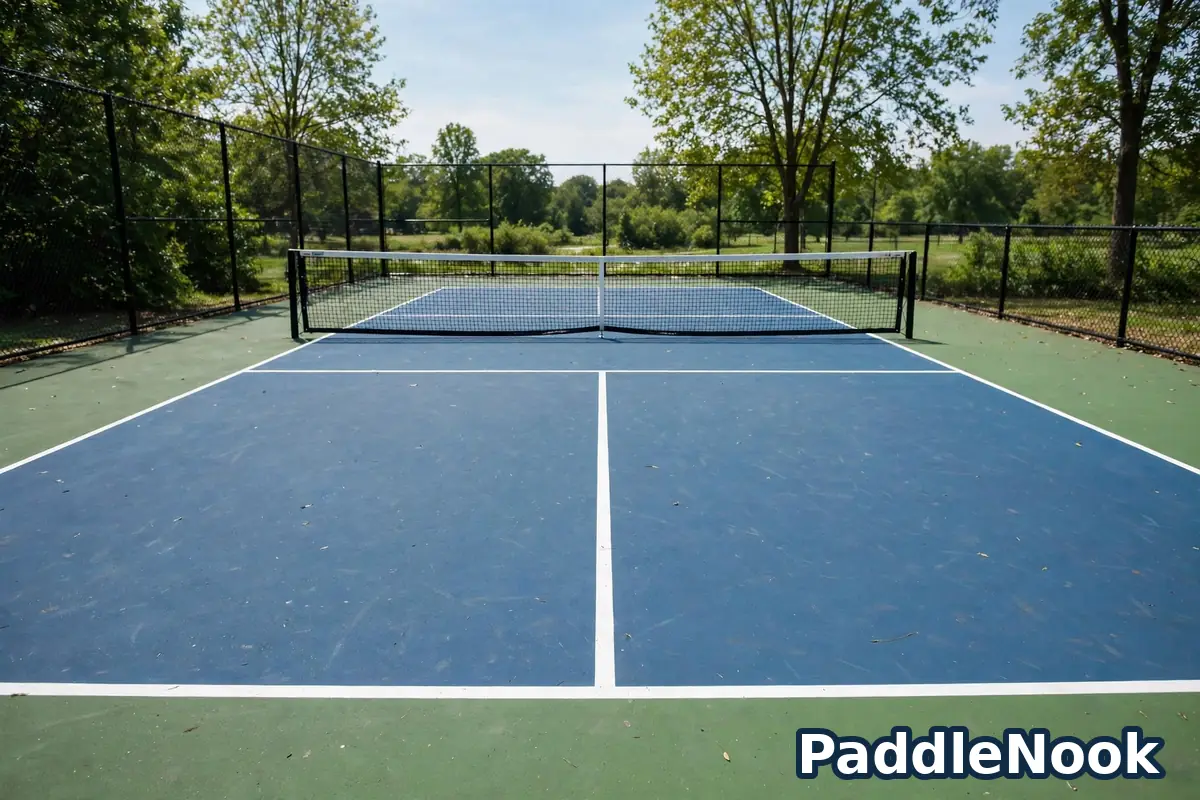
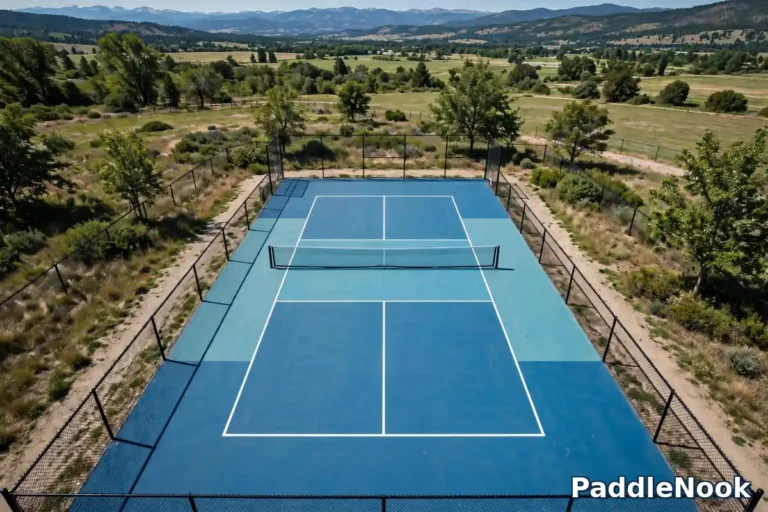
Picture the court from behind your baseline. The kitchen is the seven-foot zone beside the net on each side. Your serve must fly over that zone and land in the diagonal service court beyond it.
A serve on the kitchen line is a fault. A serve on any other line of the correct service court is in, including the far baseline and the side lines of that box. A serve that lands wide, long, or in the wrong diagonal box is a fault.
A serve that clips the net and lands in the correct box stays live. There is no let replay in pickleball, unlike tennis. If the net-cord serve drops into the kitchen, it is a fault by landing. For a visual map of these zones, see a zone-by-zone tour of the court.
Which Serve Should a Beginner Pick?
Pick the drop serve if your volley serve keeps breaking a motion rule, or if timing feels rushed. The bounce gives you a steady moment to strike, and lets you focus on depth first.
Pick the volley serve if you already strike cleanly below your waist with a low-to-high swing. It gives more pace and spin control once grooved.
You do not need to pick one for life. Many players learn with a drop serve, then add a volley serve as their timing improves. USA Pickleball sets out both serve types in its official serving rules guide.
People Also Ask
Is the drop serve legal in official play?
Yes. The drop serve is a fully legal serve, with the same feet, diagonal, and kitchen rules as a volley serve.
Can you switch serves during a game?
Yes. You may use a volley serve on one rally and a drop serve on the next, as long as each serve is legal.
Does a drop serve need an upward arc?
No. The upward-arc, waist, and paddle-head checks apply to the volley serve only, not to a drop serve.
What if a drop serve is thrown down hard?
That is a fault. The ball must be dropped by gravity only, with no throw, toss, or added force.
Conclusion
The volley serve and the drop serve share the same court, feet, and target rules, and differ only in motion. Learn the drop serve for calm control, learn the volley serve for pace, and use whichever lands deep most often. A step-by-step serving walkthrough is also given in this how to serve in pickleball guide.


One Comment